A block paved drive in Hornchurch or Upminster that looks finished is often only dirty. Green joints, a black bloom under the street tree, a dark patch where the car drips: none of that means the blocks have failed. A proper clean and re-sand on a typical 1930s semi front costs roughly £300 to £500 in 2026, and a sealer on top takes it to about £600 to £950. A new block drive on the same front is several thousand. The catch is that cleaning only works on a drive that is still level and still held in at the edges. So the first job is working out which kind of tired yours is. The rest of this post runs in roughly the order we’d look at a drive on a visit: joints, growth, stains, washing, sand, sealer, and then whether any of it is worth paying for.
Why block paving joints empty out and weeds move in
The joints are the part of the drive doing the work. The sand in them locks each block against its neighbours, so a car’s weight spreads across the whole surface instead of pressing one block down.
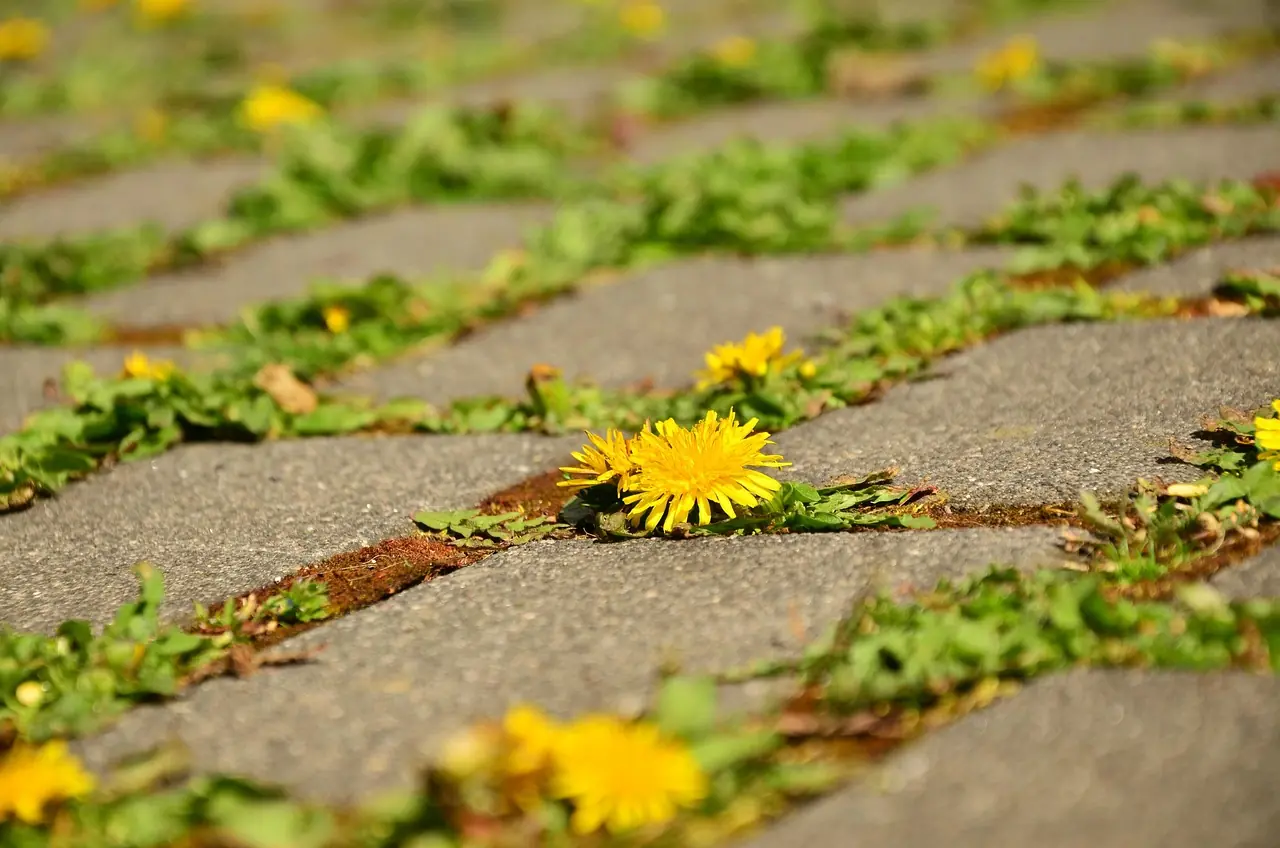
That sand doesn’t stay put. Rain running off a downpipe or down a side passage carries it away, sweeping lifts it, and a jet washer can strip the top 10 to 20mm from a whole drive in an afternoon. Once the joints sit low, they fill with grit, leaf litter and dust from the road. That mix holds water and feeds seedlings far better than clean sand, which is why most weeds in a block drive grow from seed that landed on top, not from soil below.
The ground matters too. North Hornchurch, Emerson Park and much of Cranham sit on London clay, and a front built on clay stays damp longer after rain than one on the gravel down towards Elm Park. Damp joints grow moss. In a long dry summer the same clay shrinks, and the joints on an older drive can open slightly and let their sand fall further in. Our driveway repairs service covers the jointing work when a drive needs more than a weekend with a brush.
Shade, street trees and the green film on north-facing fronts
Plenty of the semis around Hornchurch and Upminster have fronts that see little direct sun for half the year, either because the house faces north or because a street tree sits outside the gate.
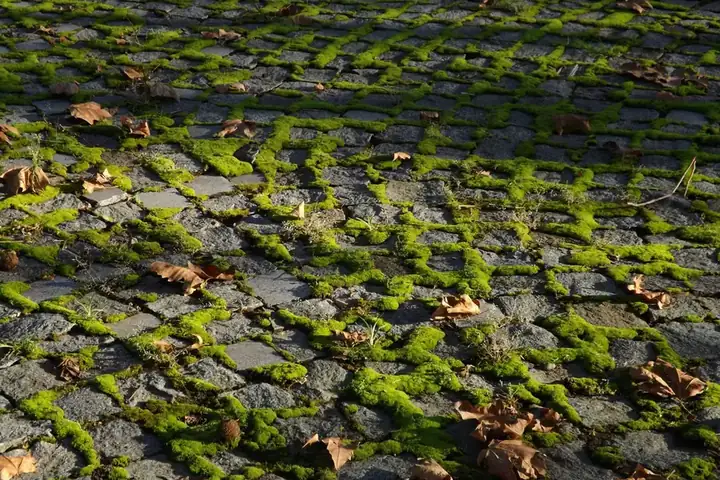
Shade plus slow-drying ground is ideal for moss and the green algae that turns block paving slippery in winter. Lime trees, common on older Havering roads, add a problem of their own. Aphids on the leaves drop sticky honeydew all summer, and a black sooty mould grows on it, so the paving under the canopy goes grey-black and tacky. Bird droppings and fallen leaves left to rot add brown stains on top.
None of this damages the block. It is a surface growth, and a wash removes most of it. What stops it coming straight back is getting the joints full and firm again and letting more light and air reach the drive, for example by cutting back an overhanging shrub. The RHS guidance on algae, moss and lichens on hard surfaces points to shade and poor drainage as the main causes and lists the treatments that are suitable for paving. An autumn treatment, once the leaves are down, does more than one in spring.
Oil drips and tyre marks
Oil is the stain people ask about most, and how well it comes out depends almost entirely on how long it has been there.
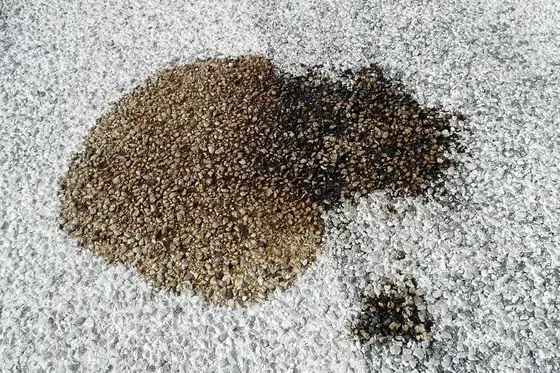
A fresh drip can usually be lifted. Cover it straight away with cat litter or sawdust, leave it to soak up what it can, sweep it off, then scrub with a driveway degreaser and a stiff brush before rinsing. Concrete block is porous, though. Oil that has sat through a winter has soaked deep into it, and no cleaner will pull all of it back out. The tidy answer for an old stain is to lift the worst few blocks and swap them for spares, which we priced in our driveway repair cost guide.
Tyre marks are different. They are rubber laid on the surface, usually where a car turns on the spot or where hot tyres sit on fresh blocks in summer. They show up most on newer and sealed drives. A degreaser and a scrubbing brush shift most of them, and the rest fade with traffic over a few months. Don’t scrub at them with a jet wash on full power, because you’ll cut a clean stripe into the block around the mark and make it more noticeable.
Pressure washing: how often and how hard
Most of the damage we see on cleaned drives was done with the lance, not the weather.
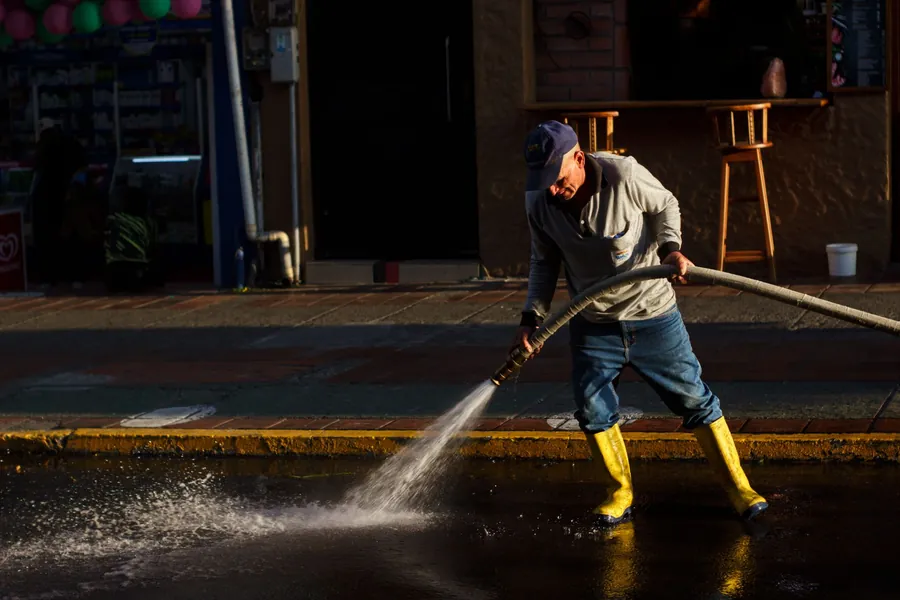
Once a year is the most a drive should need, and many are fine with a full wash every two or three years and a brush and hose in between. Use a fan nozzle rather than a turbo or rotary head, hold it 20 to 30cm off the surface at a shallow angle, and work across the joints diagonally rather than straight down them. A flat rotary surface-cleaner attachment is gentler still and leaves fewer stripes. If you can see sand leaving the joints in a stream, or the surface of the block turning rough and gritty, back off. That grit is the cement skin of the block coming away, and it doesn’t grow back.
Think about where the water goes. The gully in the road outside most Havering homes is a surface water drain, which carries rain straight to local streams such as the Ingrebourne without treatment. Thames Water’s page on misconnected pipes explains the difference between surface water and foul drains. Rinse water full of degreaser and old oil shouldn’t go down the road gully, so brush the dirty slurry into the garden or bag it rather than hosing it into the street.
After washing, let the drive dry fully before any sand goes down. In autumn and winter on clay that can mean waiting several dry days.
Kiln-dried sand or polymeric jointing compound?
This is where a lot of well-meant DIY goes wrong, so it is worth being specific.
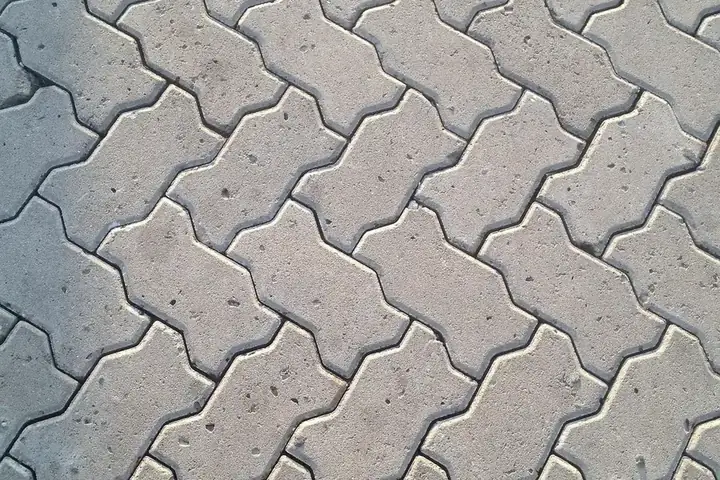
Kiln-dried sand
Kiln-dried sand has been dried out so it runs freely, a bit like the sand in an egg timer. Brushed over a dry drive, it trickles down even a 2mm joint and fills it to the bottom. It costs a few pounds a 20 to 25kg bag, a 45 square metre front usually takes three to five bags for a top-up, and it is what almost every block drive in Havering was laid with. The downside is that it washes and sweeps out again, so plan on a light top-up every year or two.
Polymeric sand and resin jointing
Polymeric sand has a binder mixed in that sets once it is wetted, so it stays in the joint and resists weeds. It costs several times as much as kiln-dried sand. On standard block paving it is often the wrong product. Many polymeric and resin jointing compounds are made for wider joints and deeper fills, as you would find on a natural stone patio, and they won’t fill a tight 2 to 5mm block joint properly. Any left on the surface when it gets wet can cure into a haze that is hard to remove. If you want joints that stay put on a block drive, the better route is usually kiln-dried sand followed by a joint-stabilising sealer.
Sealers: what they do, what they don’t and how long they last
A sealer is a liquid coating rolled or sprayed onto clean, dry blocks. Good ones soak into the surface and the top of the joints rather than sitting as a skin.
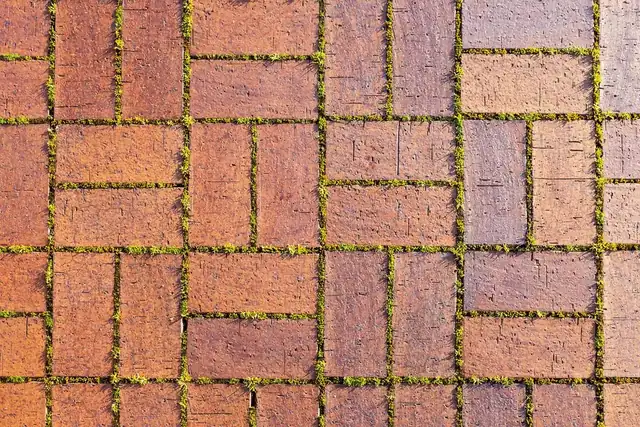
What a sealer does well:
- Binds the top of the joint sand so it doesn’t wash or sweep out, which is the main reason to seal a drive
- Slows down new staining, so an oil drip sits on the surface long enough to be cleaned off
- Makes moss and algae slower to take hold, because the surface holds less water
- Brings colour back to faded blocks; some products give a darker “wet look”, others leave the finish matt
What it won’t do is fix anything. A sealer can’t level a sunken patch, hold in a failing edge or stop roots lifting blocks. It doesn’t make a drive weed-proof forever, because seeds still land on top and plants still find a way in once the coating wears. Sealing over damp blocks can trap moisture and turn the surface milky white, and sealing a brand-new drive too early traps the white efflorescence salts that most new concrete blocks shed in their first months.
As a rough guide on a driveway, solvent-based acrylic sealers last two to three years and polyurethane sealers three to five. The wheel tracks go first. A worn sealer can normally be cleaned and given a fresh coat without stripping. Interpave, the trade body for precast concrete paving, publishes its guide to concrete block paving, which covers maintenance alongside design and laying.
When a clean won’t save it
Dirt washes off. A failed base doesn’t, and a fresh clean only hides it for a season.
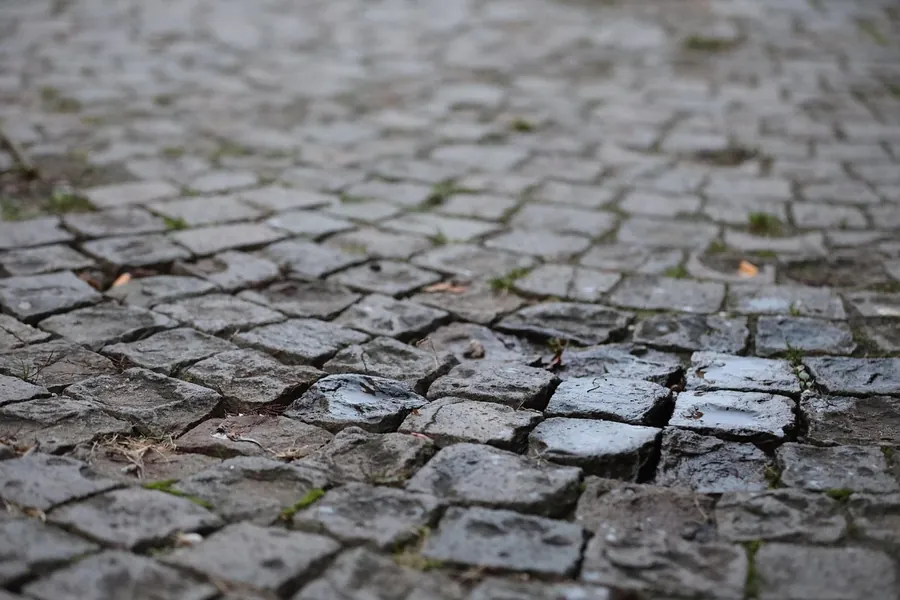
Walk the drive before you book anything. Puddles that sit in the same place for a day after rain, blocks that rock underfoot, a dip by the gate where the front wheel turns, edge blocks leaning out towards the lawn, or a hump following a tree root: these are base or edging faults. Clean and seal a drive like that and it will look smart while the dips carry on deepening underneath.
One or two problem areas are usually worth lifting and relaying, and that is a repair rather than a replacement. If the faults are spread across the whole front, which is common on 1930s semis whose drives went down over thin hardcore decades ago, the sensible comparison is a new drive. Our block paving driveway cost guide breaks down what that costs on a Havering front, so you can weigh it against the cleaning quote.
What cleaning, re-sanding and sealing cost in 2026
These are rough 2026 figures for Hornchurch, Upminster and the surrounding roads, taken from the jobs we price. Access, the state of the joints and how much moss and oil there is will move them.
- Clean and re-sand, typical 1930s semi front (40 to 50 square metres): about £300 to £500
- Clean, re-sand and joint-stabilising sealer on the same front: about £600 to £950
- Larger drives of 80 to 120 square metres, common in Emerson Park and parts of Cranham: about £700 to £1,600 with sealing, less per square metre
- Lifting and swapping a handful of oil-stained or cracked blocks: from our £250 minimum
- DIY: pressure washer hire is around £40 to £70 a day, kiln-dried sand a few pounds a bag, and a 5 litre tin of sealer roughly £40 to £80, enough for one coat on 20 to 30 square metres depending on the product
If you are not sure whether your drive needs a clean, a relay or something in between, we’ll come and look, check the base and the edges, and tell you which one it is. Book a free driveway visit in Hornchurch or Upminster.