Most driveways in Hornchurch and Upminster don’t need replacing. They need one thing fixed properly. Our repair prices start at about £250, most local jobs come in between £250 and £1,200, and a new tarmac top layer on a sound two-car front runs £1,500 to £2,500. Replacing a drive outright starts around £3,000 and climbs past £8,000 on a big Emerson Park plot. This post is about the gap between those numbers. A sunken corner, a pothole, a resin edge that’s breaking up, a lifted strip near a street tree: each one has its own cause and its own fair price. Below we go through them fault by fault, with what we’d charge in Havering and the point where we’d tell you a repair isn’t worth the money. We also cover the problems that never show on a quote, like water from a downpipe or London clay under the north side of Hornchurch.
The quick price list for driveway repairs in Havering
If you only want the figures, here they are. Every one assumes a visit first, because the cause decides the price more than the fault does.
- Small local repair (a sunken patch, a pothole, a handful of stained blocks): from about £250
- Most local repairs across Hornchurch, Upminster and Elm Park: £250 to £1,200
- Rebuilding the edge course along one side of a semi front: usually £400 to £800
- A channel drain and soakaway added to an existing drive: £600 to £1,500, depending on the dig
- New tarmac wearing course over a sound base, two-car front: £1,500 to £2,500
- Resin or tarmac overlay on a solid old base: £2,000 to £4,500
- Full replacement: £3,000 to £8,000 and up
Our driveway repairs service page explains how each repair is done, step by step. The rest of this post deals with what moves a job up or down those bands.
Sunken or rocking block paving
This is the repair we price most often. On the interwar semis around Hornchurch the dip usually sits by the gate, where the front wheel turns in every day, or along the house wall below a downpipe.
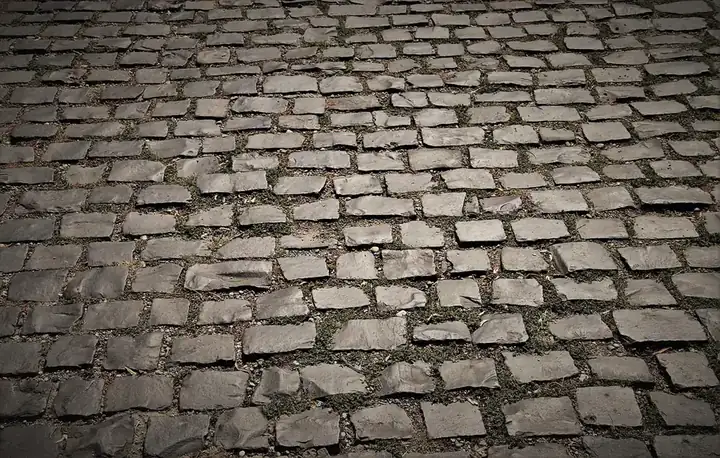
The blocks are almost never the problem. The base under them is. We lift the blocks in the dip and stack them in order, dig out the soft material, put back compacted Type 1 stone, screed a fresh sand bed and relay the same blocks. Then we sand the joints. Done properly, you shouldn’t be able to find the patch a month later.
Why the same dip costs more in Emerson Park than in Elm Park
Elm Park and South Hornchurch sit mostly on Thames terrace gravel, which drains and stays put. Emerson Park, Ardleigh Green and Cranham sit on London Clay, which swells in a wet winter and shrinks in a dry summer. On clay we dig deeper and lay a geotextile under the stone so the clay can’t squeeze up into it. A one-square-metre dip on gravel can sit near the bottom of our band. The same dip on clay costs more for the extra depth and membrane, and more again if a downpipe has been feeding it and the water needs somewhere to go.
Blocks that rock along the edge of the drive are a different fault. That’s the edge restraint letting go, and the fix is in the edging section below.
Cracked and potholed tarmac
Tarmac fails in two ways, and they cost very different amounts.
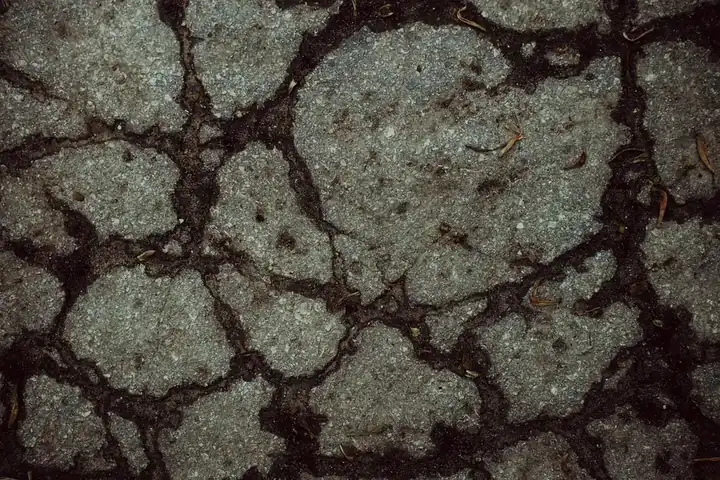
A single pothole or one straight crack is local. We cut it back square to sound material, prime the cut edges, lay hot tarmac and roll it flush. That sits at the lower end of the local repair band. The patch will look darker than the rest for a summer or so before it weathers in.
A web of cracks spread across the wheel tracks, like the photo above, is not local. Engineers call it crocodile cracking, and it means the layers underneath have stopped supporting the surface. Filling the cracks buys a winter at most. If a trial hole shows the base is still firm and only the top has aged, a new wearing course at £1,500 to £2,500 on a two-car front is good value. If the base is soft, you are looking at a replacement, and we’d say so on the visit.
One warning while we’re on tarmac. A crew at the door offering leftover tarmac “from a job round the corner” has no plan to fix anything underneath. A drive that needed a £1,800 resurface ends up costing that again a year later.
Loose stones and cracks in a resin drive
A resin bound drive drops a few loose stones in its first weeks, which is normal. A steady trickle of stones collecting by the gate five years on is not.
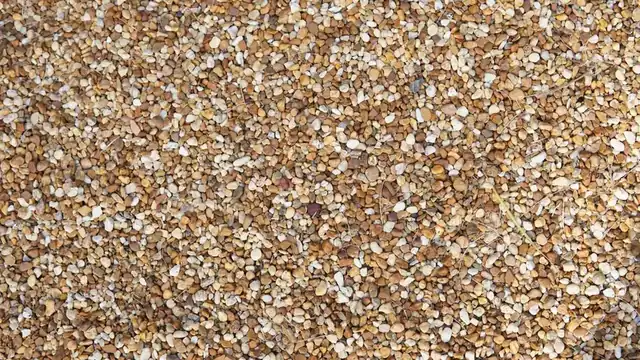
Shedding that late usually means the mix was short on resin, or a cheaper aromatic resin has broken down in sunlight. Crumbling edges are a separate problem. They tend to appear where the resin was feathered out thin against a lawn with no proper edge. Both can be cut back to a straight line and re-trowelled with a matched blend, and both fall within our local repair band if the base underneath is sound.
The one resin fault we won’t patch is a crack that follows a straight line across the drive. That is almost always the joint of an old concrete slab or paving flag showing through a resin overlay. The crack comes back because the slabs keep moving, and the honest fix is to take the overlay off. Colour is the other catch. A repair in a matched blend looks a shade cleaner than the rest until the drive has had a wash or two.
Edges, weeds and oil stains: the smaller bills
Most fixes in this group sit at the cheaper end of the price list. They are also the ones people put off longest.
Edging
When a block drive spreads open at the front, or a line of blocks along the lawn starts to tilt, the edge course has moved. Most failed edges we lift were never set in concrete at all. We lift them, bed them on concrete with a haunch behind, close the pattern up and re-sand. Along one side of a semi front that’s typically £400 to £800.
Weeds and moss
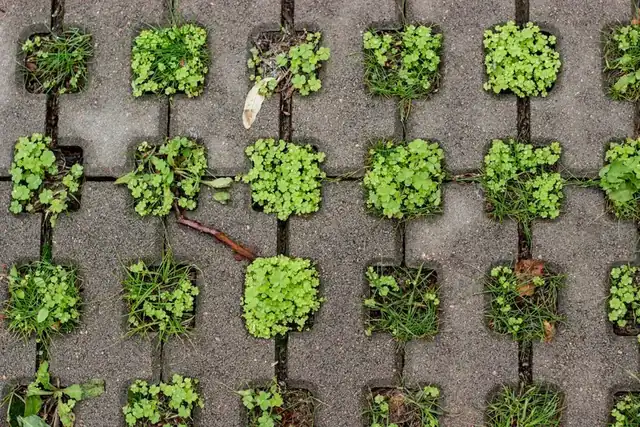
Weeds in block joints mostly come from seeds landing in sand that has washed out, not from the ground below. A deep clean, fresh kiln-dried sand and a jointing seal fix most drives, and the job usually lands at the low end of our band. Weeds forcing their way up through the middle of a block or a resin surface are different. That points to a missing membrane, and a patch with a membrane cut in is the answer.
Oil stains
Catch a spill fresh and most of it will lift with something absorbent and a degreaser. Old stains on concrete block are usually there for good, so we lift the worst blocks and swap them for spares or blocks taken from under a bin store. Tarmac is worse off, because oil and diesel dissolve the bitumen that binds it, and a soaked patch has to be cut out. Swapping a few blocks comes in at our minimum job.
Tree roots on London clay
Roots damage a drive in two ways. They lift it directly as they thicken, or, on clay, they draw moisture out of the ground in a dry summer so the base shrinks and drops.
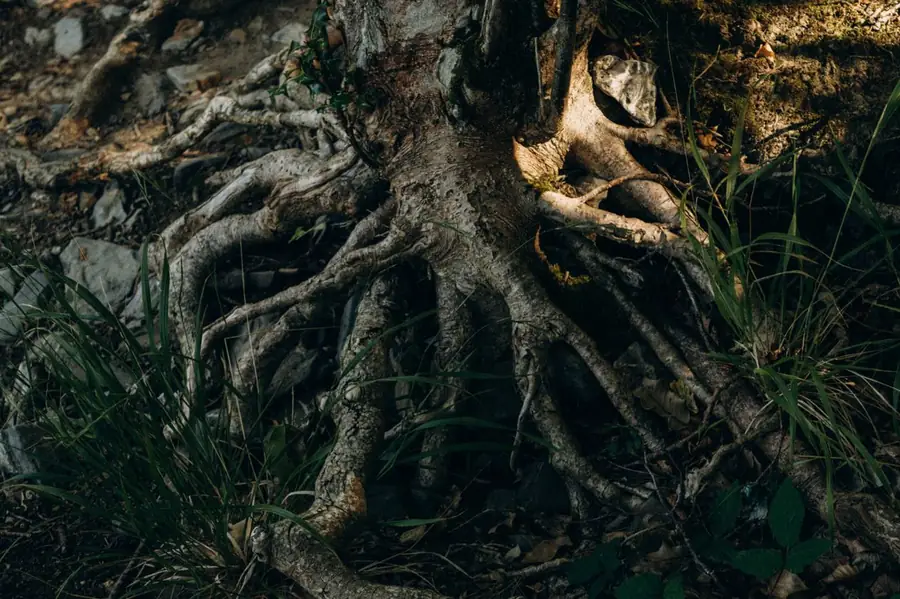
Hornchurch has a recent local example. In 2025 Havering consulted on removing a council lime outside 196 Warren Drive, RM12, after direct root damage to the driveways at numbers 196, 198 and 200. The council’s street tree removal notice for Hornchurch Road and Warren Drive also records an attempted repair back in 2008, after which the damage carried on. That’s what tends to happen when you patch over a live root.
If the tree is in your own garden, a repair can include cutting the offending root and fitting a root barrier, though check first that the tree isn’t protected. If it’s a street tree, it belongs to the council. Havering’s trees page says the council looks after trees on roads and pavements and takes reports through an online form. It also says it doesn’t normally prune or remove a tree for minor surface disturbance or for damage nobody can prove. So photograph the damage, date the photos and report it before you pay for a repair. We can relay the drive around the root and add a flexible joint, but we won’t cut a council tree’s roots without permission.
Repair, overlay or replace: comparing the three bills
The numbers make more sense side by side, so here they are against a typical front.

Take a 1930s semi with about 45 square metres of block paving in front. Lifting and relaying a sunken patch by the gate costs a few hundred pounds. A full replacement in block on the same front costs roughly £3,400 to £5,200. Our block paving driveway cost guide for Hornchurch and Upminster shows how those totals are built up. An overlay sits in between at £2,000 to £4,500, and it only makes sense on a flat, thick, solid old base that passes a trial hole.
Our rule of thumb is that if repairs are needed in three or more places, or the repair quote is heading towards a third of the replacement figure, look hard at replacing. The base under a drive like that is usually failing everywhere at once. Repair the first dip and the next one shows up the following winter.
Repairing a drive doesn’t need planning permission. Replacing one might. The Planning Portal’s rules on paving a front garden say that a new impermeable surface over five square metres needs permission unless the water drains to a lawn, border or permeable area. A replacement quote should show how the water gets away, and you should check it does.
Drainage: the repair behind many other repairs
Around half the repair enquiries we look at in Hornchurch and Upminster turn out to be water problems first and surface problems second. That figure comes from our own visits rather than a survey, but we see it week after week.
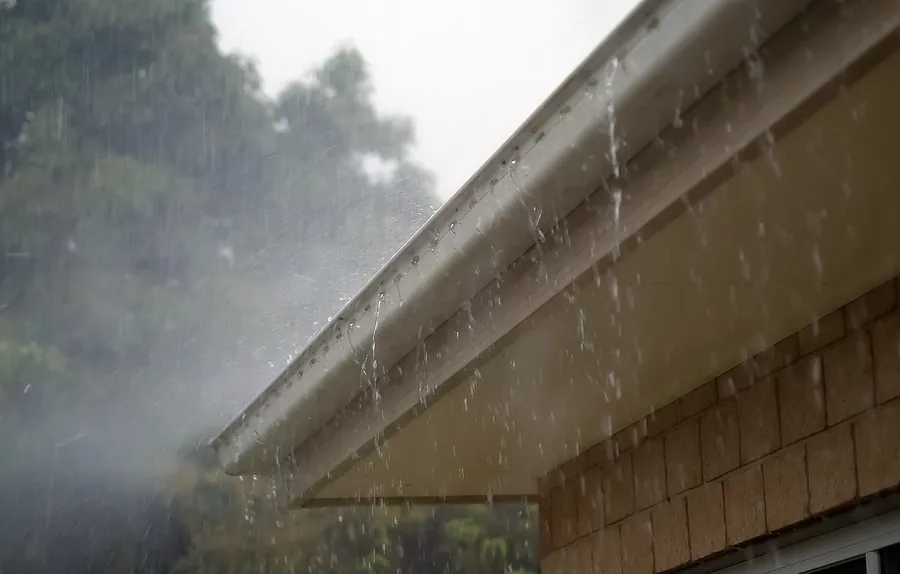
The usual culprits are a downpipe emptying straight onto the drive, a side passage that funnels every shower towards the front, or a blocked gully on a drive that falls back towards the house. On the clay north of the railway the water has nowhere to soak away, so it sits in the base and softens it from below. Relaying the blocks without sorting that out means paying twice.
A channel across the gate or along the house, piped to a soakaway or an existing drain, costs £600 to £1,500 depending on the length of the dig and where the water can go. On heavy clay a soakaway can be a poor bet, so we test the ground before recommending one. Reconnecting a downpipe that has come loose from its drain can cost far less than anything else on this list. When we quote for jobs in Elm Park or Gidea Park, the drainage line is often the first item, not an extra.
If part of your drive has sunk, cracked or started shedding stones, we’ll come out, find out why, and give you a fixed price for the repair. If a repair won’t hold, we’ll tell you that too. Book a free driveway repair visit in Hornchurch or Upminster.