01
Raphael Park
Lake, 1904 bandstand and lakeside cafe at the western edge of Gidea Park, a short walk from Main Road. The flat path round the water is the local lunchtime circuit.
Learn more about Raphael Park on Google MapsUpminster, RM14 - covering Hornchurch, Romford and the whole of Havering
Driveway repairs in Gidea Park come with a question most towns do not have. Is this a repair, or is it a new hard surface? The difference matters on streets like Heath Drive, Balgores Lane, Crossways and Parkway, which sit on Havering's Article 4 schedule. Fixing a sunken patch or rebuilding an edge on an existing drive is a repair. Ripping up a front garden lawn and paving it is not. We keep repairs to the footprint you already have, and we tell you plainly if a job starts to look like new paving. The ground is the other half of the story. Gidea Park sits on the slope where Thames gravel turns to London Clay, and big trees add roots to the mix. Repairs start from £250. The visit is free.

We reply the same working day, usually within the hour.
Jim and his family have spent 35 years on driveways and patios, working from Upminster a few miles away. A Gidea Park repair gets plain advice from them: fix it if it can be fixed, say so if it cannot.
It is a small, honest business that mostly runs on word of mouth. Staying close to home keeps overheads down and repair prices lean.
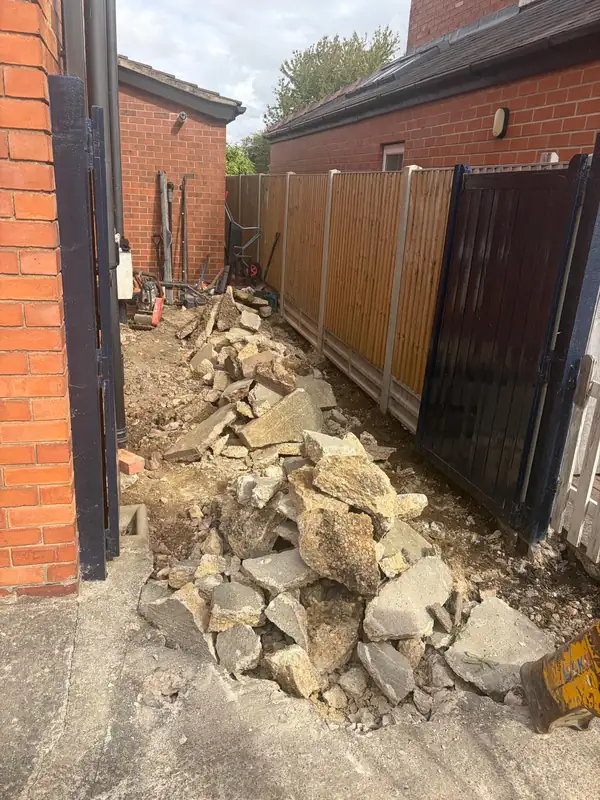
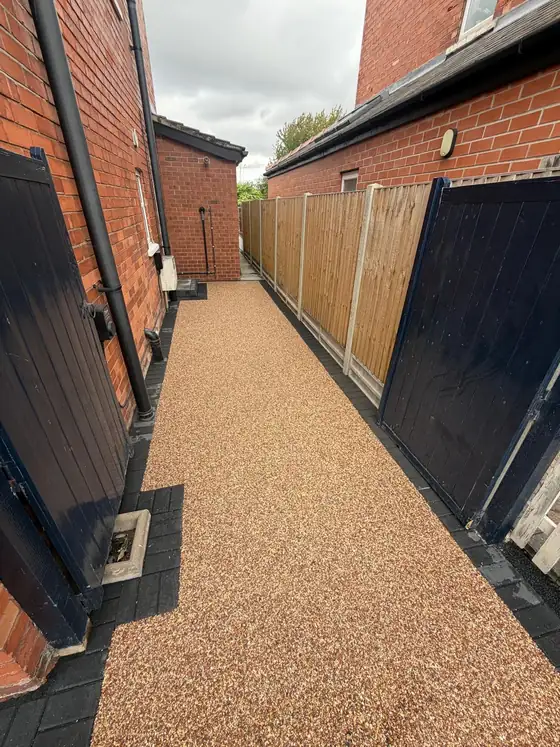
01
We work inside your existing drive footprint. No sneaking in an extra few square metres of paving that could bring an Article 4 problem to your door.
02
Many Gidea Park drives lift because of tree roots, not ground. We find out which, and we do not hack at roots of a tree that the conservation area rules protect.
03
Higher up the slope the soft spot is often clay. We dig to firm ground before rebuilding, or the dip comes back.
04
We reuse your original blocks where they are sound, so a repair on a period street does not show as a bright new rectangle.
05
Free visit, no call-out charge, written price. Small local repairs run £250 to £1,200.
06
Half a day to two days for most repairs. Kerbside space is tight on many of these roads, so we keep our van count low and the disruption short. We tell you the night before when the drive will be out of use.
Local
Upminster Based
Hornchurch, Upminster and across Havering
6
Surface Types
Resin to gravel, one crew for all of it
Free
Site Visits & Quotes
Written, itemised and fixed
Written
Guarantee
Handed over on paper at the final walk-round
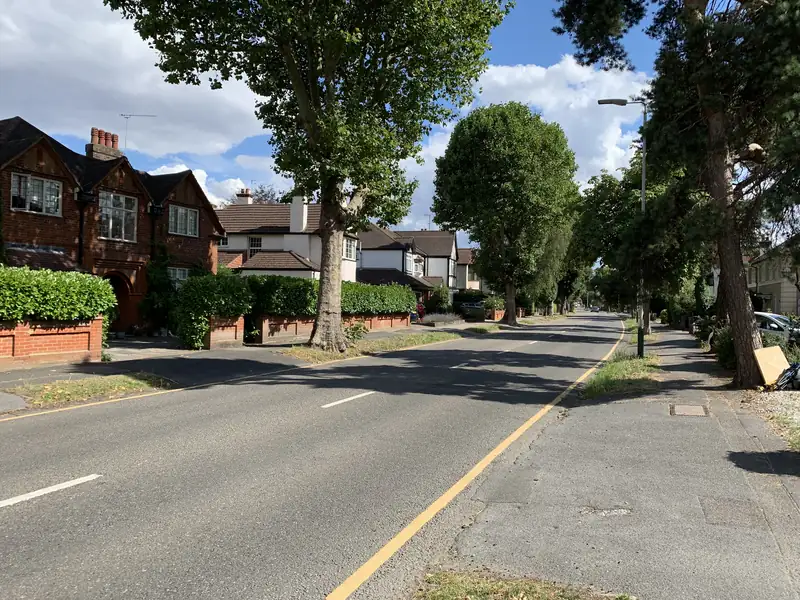
Plenty of Gidea Park fronts were paved long before the Article 4 direction came in. Those drives can be kept and mended. What the direction removed, on the scheduled streets, was the right to lay new hard surfaces at the front and side without permission. The council takes it seriously. At 49 Heath Drive it served an enforcement notice in 2022, the owner appealed, and the inspector upheld the notice in 2023. So we are careful. A like-for-like repair on the same footprint is what we quote. Anything wider, we check first.
The ground is mixed. The lower roads towards Romford can be on gravel; further up you are more likely to meet London Clay, which softens when wet and shrinks in drought. Add the big street and garden trees and you get the usual faults: dips where the car stands, edges pushed out by roots, puddles that never drain. While we are looking at the front, it can be worth pricing a patio for the back garden of your Gidea Park house, where the planning picture is far simpler.
Planning authority: Havering Council
Diagnosis first, planning position second, then a short job. That is the order.
Levels, water, roots and a lifted block or two. We find out whether the trouble is clay, roots, a drain or a thin base before we say anything about price.
We tell you if a repair will hold or the drive needs more, and whether what you want stays inside your existing footprint. If it does not, we check the Article 4 position.
A written price covering depth of dig, materials, edging, drainage and making good. No extras unless you ask for extra work.
Blocks lifted and stacked for reuse, or failed tarmac or resin cut out. Roots exposed and assessed rather than chopped.
New compacted Type 1 down to firm ground, a rebuilt edge course, a cleared drain or a root barrier where the tree allows it.
Same blocks relaid and sanded in. Tarmac or resin blended into the existing surface as closely as the material allows.
Water run over the repair, levels checked, and a walk round with you. If it is not right, we sort it before we pack up.
Not sure which surface suits the house? The cost guide compares all six side by side, and the site visit is free either way.
Most guarantees in this trade cover the surface, because the surface is the easy bit. Ours is written around the structure underneath, which is where a driveway on Havering's London clay either holds or does not. We put the excavation depth, the compacted MOT Type 1 thickness, the concrete haunch behind every edge and the drainage route on the quote, and we guarantee that build. If the surface sinks, spreads or ponds because any of that was not done right, we come back and fix it at our cost.
In
Writing, before we start
The guarantee terms go on the quote, not on a leaflet after the job
0
Overlays on a bad base
We will not lay a new surface over a base that has already failed, however cheap it would make the quote
Ask if they know about the Article 4 direction. If the answer is no, stop there. A firm that offers to widen your drive into the lawn while it is fixing a dip could land you with an enforcement notice. A good firm keeps a repair on the existing footprint and tells you when a request crosses into new paving that needs consent from Havering Council.
Ask what they think caused the damage. On these streets the honest answer is often tree roots or clay, sometimes both. A firm that just wants to top up the sand and relay the blocks without looking underneath will be back in a year. One that wants to lift a few blocks and see what is going on before quoting is doing it properly.
Ask how they will match the surface. Gidea Park fronts are on show. A patch of new grey blocks in a faded red drive stands out from across the road. Reusing the original blocks, sourcing a matching range, or letting tarmac weather in are all fair answers. Shrugging is not. A firm that has worked on period streets will have an opinion on all three. Ask, too, for a fixed written price. Repairs here are small jobs and should be priced like it.
Here is how the options compare. In a conservation area, the planning side changes the picture more than the price does.
| Option | Spot repair | Overlay | Full replacement | Wait and watch |
|---|---|---|---|---|
| Suits | A single dip, lifted edge or root bump | A firm base with a worn top | A failed base throughout | Faded colour, no movement |
| Guide cost | £250-£1,200 | £2,000-£4,500 | £3,000-£8,000 and up | £0 for now |
| Planning angle on a scheduled street | Repair on the same footprint | Check with us first | Check with Havering first | Nothing to check |
| Days on site | Half a day to two | Two or three | Around a week | None |
| Effect on trees | Small, local dig | Little, no dig down | Biggest, needs planning round roots | None |
| Where it goes wrong | Ignoring a cause next door | Hiding a weak base | Expensive if a repair would do | Dips grow and trip people |
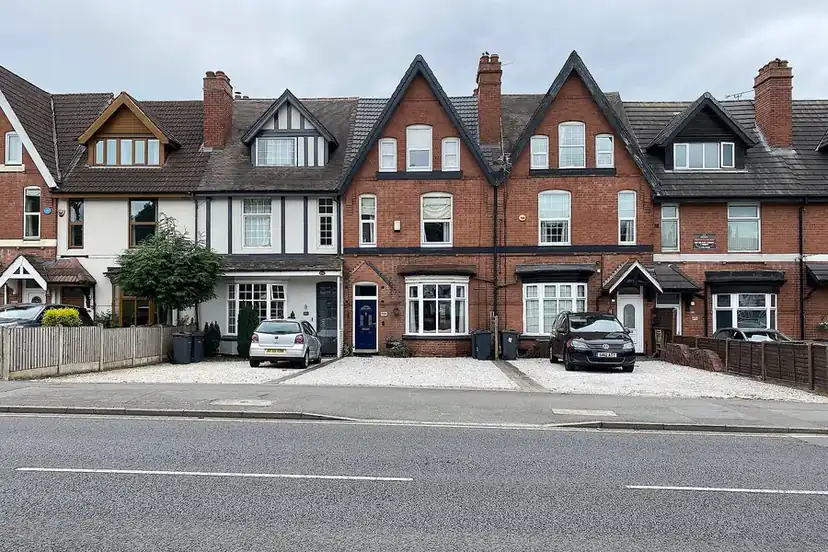
A repair should vanish. In Gidea Park that matters more than usual, because the fronts are part of what the conservation area is protecting. Weathered blocks are a different colour from new ones, so we lift and reuse the originals. New tarmac starts black and greys over a few months. Resin has to match the old aggregate mix. Where a block range has been discontinued, we hunt for stock or borrow from a hidden corner.
"Roughly one in three Gidea Park drives we are asked to repair has been lifted by tree roots rather than sunk by the ground."
Based on enquiries and jobs handled by Hornchurch & Upminster Driveways.
From £250 per job. The visit and quote are free, with no call-out fee. Small repairs like a dip or pothole run £250 to £1,200. If an edge has been pushed out along one side of a semi front, putting a new course in is £400 to £800. A new tarmac wearing course on a two-car front, over a sound base, is £1,500 to £2,500. A drainage channel and soakaway added to an existing drive is £600 to £1,500.
Guide price from
£250 per job
Gidea Park prices are fixed in writing after a free site visit.
Get A Fixed QuoteIf you would rather be out while we lift the drive, Gidea Park has a few good places within walking distance.
01
Lake, 1904 bandstand and lakeside cafe at the western edge of Gidea Park, a short walk from Main Road. The flat path round the water is the local lunchtime circuit.
Learn more about Raphael Park on Google Maps02
Golf course opposite Heath Drive, on the open ground that gives the northern side of the conservation area its edge. Worth a round if you are waiting for resin to cure.
Learn more about Romford Golf Club on Google Maps03
Gidea Park's second public park, next door to Raphael Park and with open grass rather than a lake. Quieter, and the better choice if you have a dog and a spare half hour.
Learn more about Lodge Farm Park on Google MapsWe repair drives all over Gidea Park, from the station roads to Eastern Avenue. Send us your address and a photo to start.
A repair to an existing drive does not need an application to Havering Council. What the Article 4 direction removed, on the scheduled streets, is permission to lay new hard surfaces at the front and side. So keep to the existing footprint. Widening the drive into the lawn, or replacing a permeable surface with a sealed one across a large area, is where you need to stop and check. We will tell you if a request goes that way.
Usually roots. Gidea Park has big street and garden trees, and roots under a drive push blocks up and edges out. In a conservation area most trees need six weeks' notice to Havering before work, so cutting roots is not a free-for-all. We expose them, see what we can do without harming the tree, and rebuild the surface over or around them.
Yes, on the higher streets. Gidea Park sits on the slope where Thames gravel gives way to London Clay. Clay softens when wet and shrinks in a dry summer, so a thin base drops where the car stands. We dig through the soft material to firm ground, lay new compacted Type 1 and relay the surface. That stops the same dip coming back.
In most cases we reuse them. We lift your blocks, clean them, fix the base and lay them back. If some are broken, we look for the same range or take a few from somewhere out of sight. If the range is no longer made, we show you the nearest match first.
If the base is sound and the damage is patchy, repair it. If the top is worn all over but the base is firm, a new wearing course on a two-car front is £1,500 to £2,500. If the base has failed, resurfacing will not last. On a scheduled street, talk to us before going beyond the existing footprint.
Expect us on site for somewhere between half a day and two days. A single dip is often done in a morning. Root work and drainage take a bit longer. We confirm timing with the price.
We would rather show you a driveway than a star rating.
Customer reviews are being collected and will appear here as they come in. In the meantime, when we come out to quote in Gidea Park, ask to see photos of recent jobs on houses like yours - and ask the other firms quoting the same question. A finished drive two streets away tells you more than a testimonial ever will.
Send a photo and your address. We will check the planning position, visit for free and give you a fixed price.