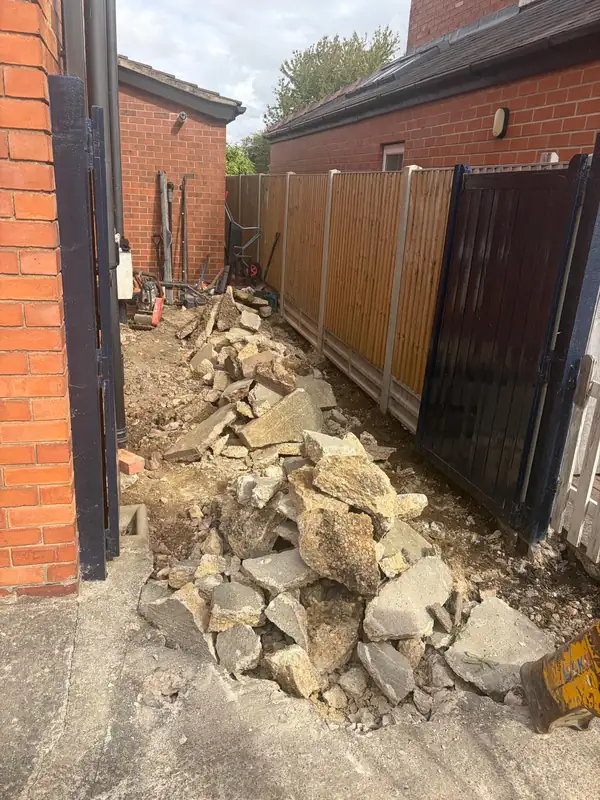
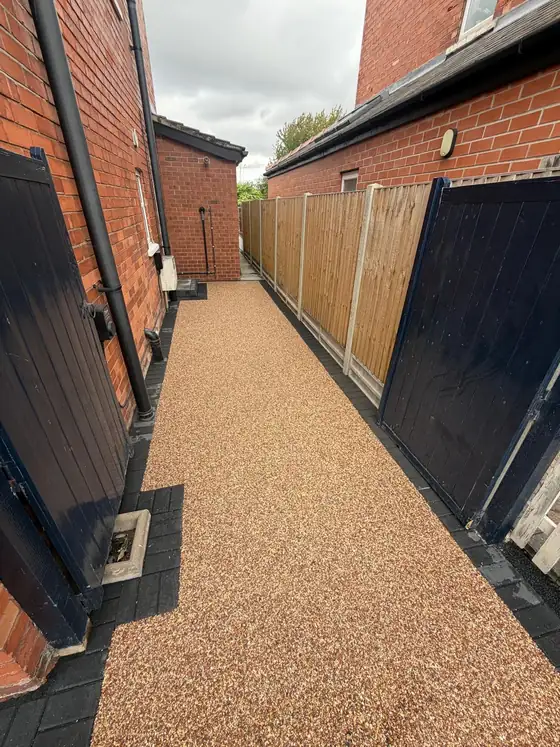
Repair it if the damage is in one place. A single sunken corner by the gate, one loose edge, a pothole where the bins are wheeled out. If the rest of the drive is level and firm, opening up the bad patch, rebuilding the base under it and relaying the surface is the right answer. It is quicker and far cheaper than starting again. On Ilford brickearth the key is digging deep enough that the new base sits on something firm.
Replace it if the damage is everywhere. Tram-line ruts running the length of the drive, tarmac crazed across the whole surface, edges spreading on both sides. That pattern means the base has failed across the board, usually because it was too thin for the silt beneath it. Patching one bit leaves the rest to keep sinking. We will give you a repair price if you ask, but we will also tell you plainly that it is a short-term fix.
Judge the firm by its questions. A good repair firm asks when the dip appeared, whether it gets worse in winter, where the water runs and what the drive was laid on. Ask them what caused the fault. If the answer is just that it has sunk, they have not looked. On ground like Ilford's, a repair that does not deal with the silt underneath will be back within a couple of winters.