A repair makes sense when the fault is local. One sunken patch by the gate, a pothole where you swing the car round, a section of edging that has spread, a puddle that collects in the same place every time it rains. If the rest of the drive is flat, tight and draining, fixing that one area is good value, and done properly the repair should last as long as the drive around it. That covers most of the calls we get from Brentwood.
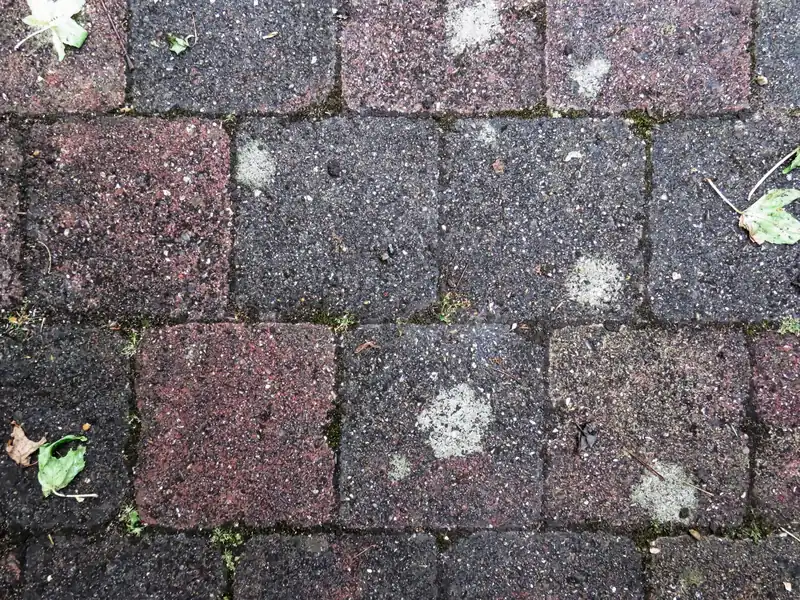
It stops making sense when the faults are everywhere. Tarmac crazed across the whole surface has usually lost its binder and is breaking up from the top down, and patches simply join up the cracks. Block paving that rocks underfoot right across the front, rather than in one spot, points to a base that was never deep enough. On Brentwood clay that is common with older drives, and by then you would be paying for repairs on a drive that is failing faster than they can keep up.
In between sits the resurface. A new tarmac wearing course over a base that is still sound costs £1,500 to £2,500 on a two-car front, against £3,000 and up for full replacement. It is the right answer when the surface is tired but the drive does not move when you stand on it. It is the wrong answer over a sinking base, because the new layer follows the old one down within a year or two. Be wary of anyone who offers it without checking the base first.